Skip to content
English
  • There are no suggestions because the search field is empty.

User Management Roles

Invite and assign Users into roles that dictate the permissions and access

Last Updated: May 20, 2025

Applies to:

Shippers, Brokers, Carriers, and Partners

Common Scenario(s)/Challenge (s):

User Management acts as a centralized hub for efficiently managing all Users within your system. This feature allows you to effectively administer users within all accounts, ensuring that each individual is granted the appropriate access level according to their specific roles and responsibilities. From this hub, an administrator can manage User roles, accessibility and security restrictions.

Solution Overview:

Users are divided into two main types: Internal Users and External Users. Internal Users are employees associated with the Licensed Account, while External Users include clients or vendors who have been invited to access the account. For example, if the primary account is a Broker, and they want to provide “guest access” to a Carrier vendor, there are editable default allowances for that Carrier within the User Management section.

To enhance security, both user types must establish their accounts via an email invitation. This procedure guarantees that each user receives customized access to the system, aligned with their specific roles and information requirements. This user classification not only bolsters security by restricting access to data pertinent to each user's role but also streamlines user management, enabling more efficient processes for adding, modifying, or deactivating user accounts as necessary.

Create a New Role: 
G2Mint has standard Roles that can be assigned from Day 1. If you have unique Roles that will help your business, create a New Role in User Management.

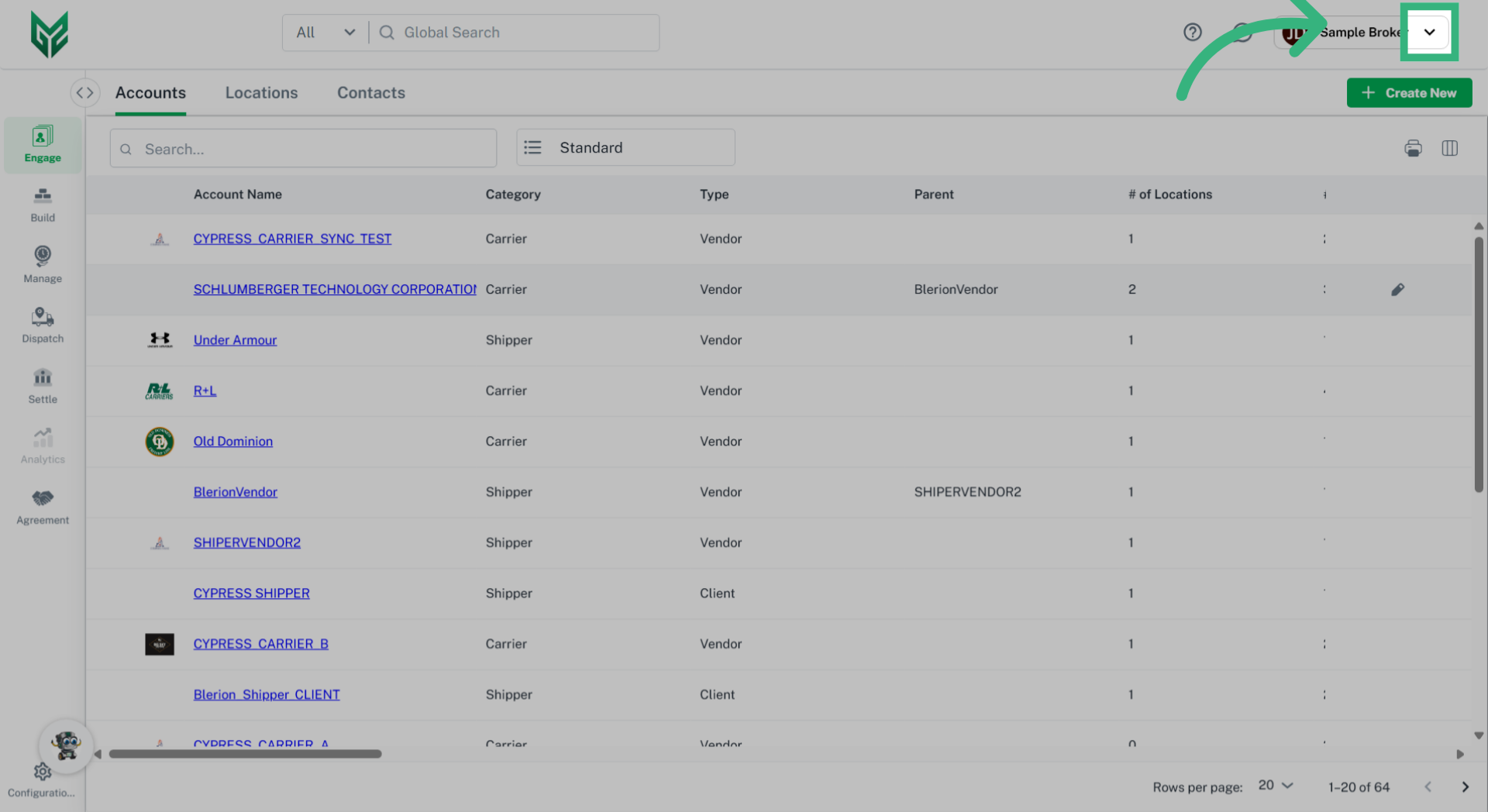
1. Click "User Management"

Select the "User Management" from User Name dropdown.
Click 'User Management'

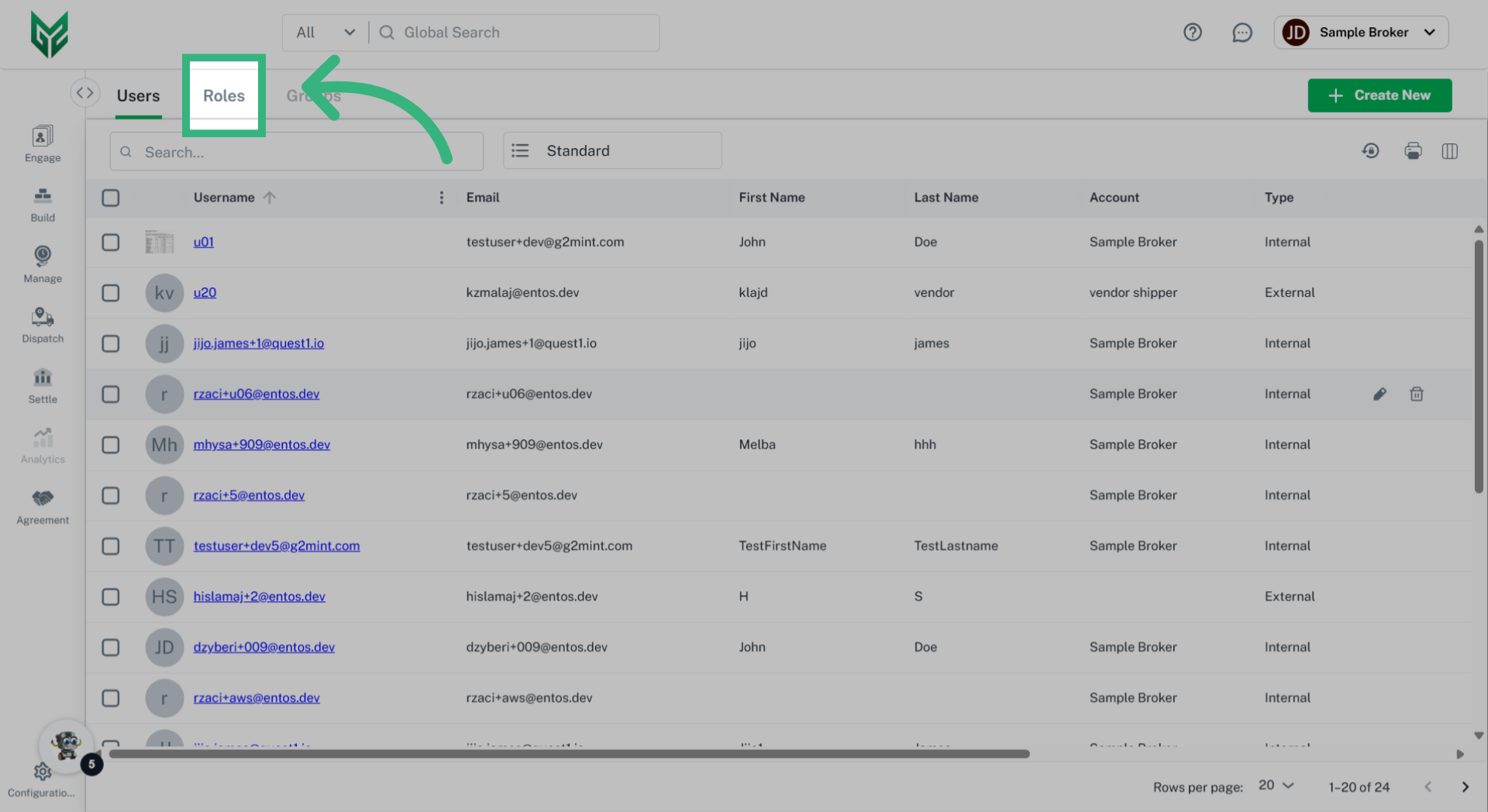
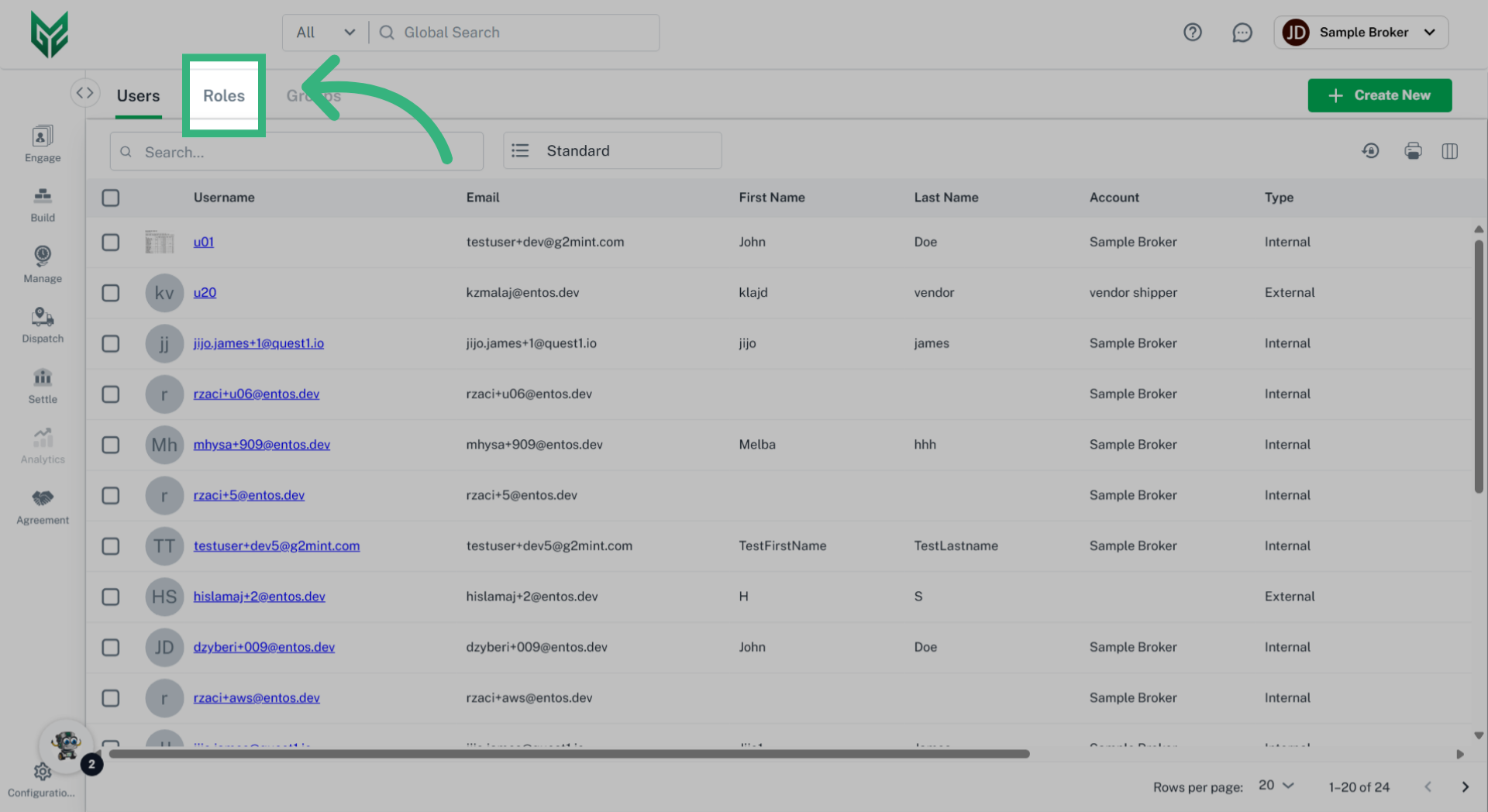
2. Click "Roles"

Access the "Roles" section from the top Navigation Bar.
Click 'Roles'

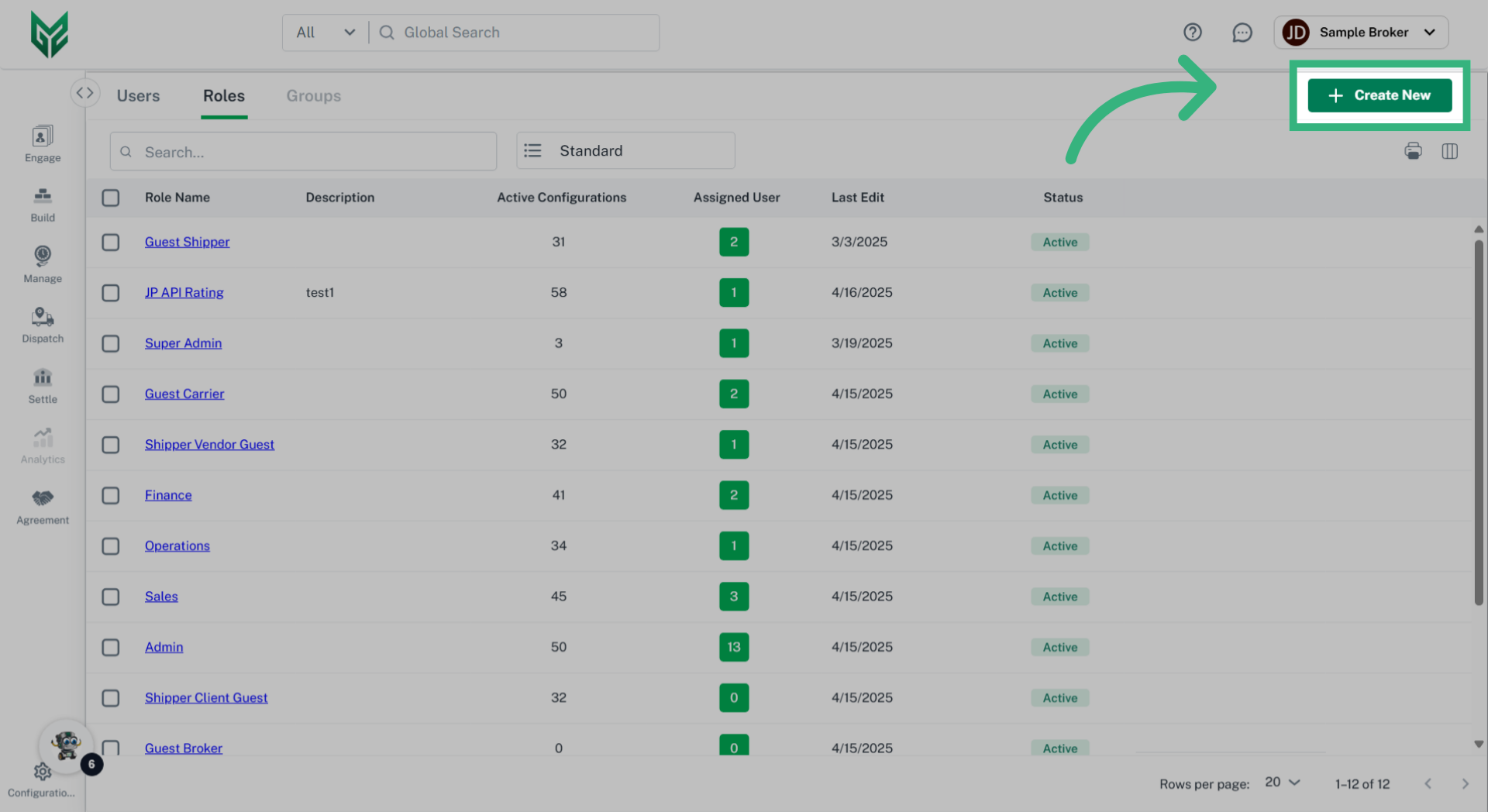
3. Click "Create New"

Select "Create New" to build a custom Role.
Click 'Create New'

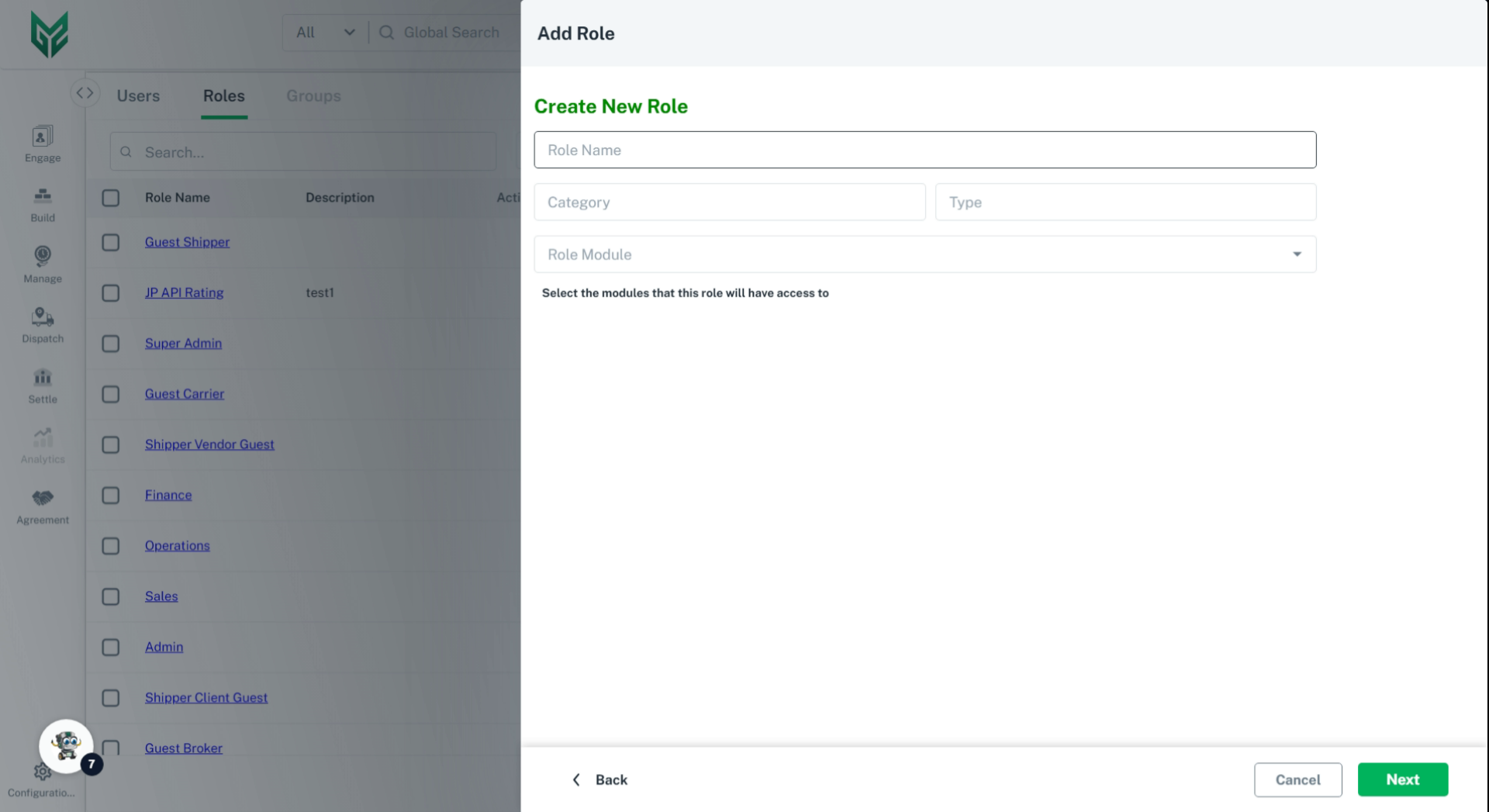
4. Create Name

Create a specific Role Name that summarizes the description, and select Broker, Shipper or Carrier category dependent upon who will be using this Role.
Create Name

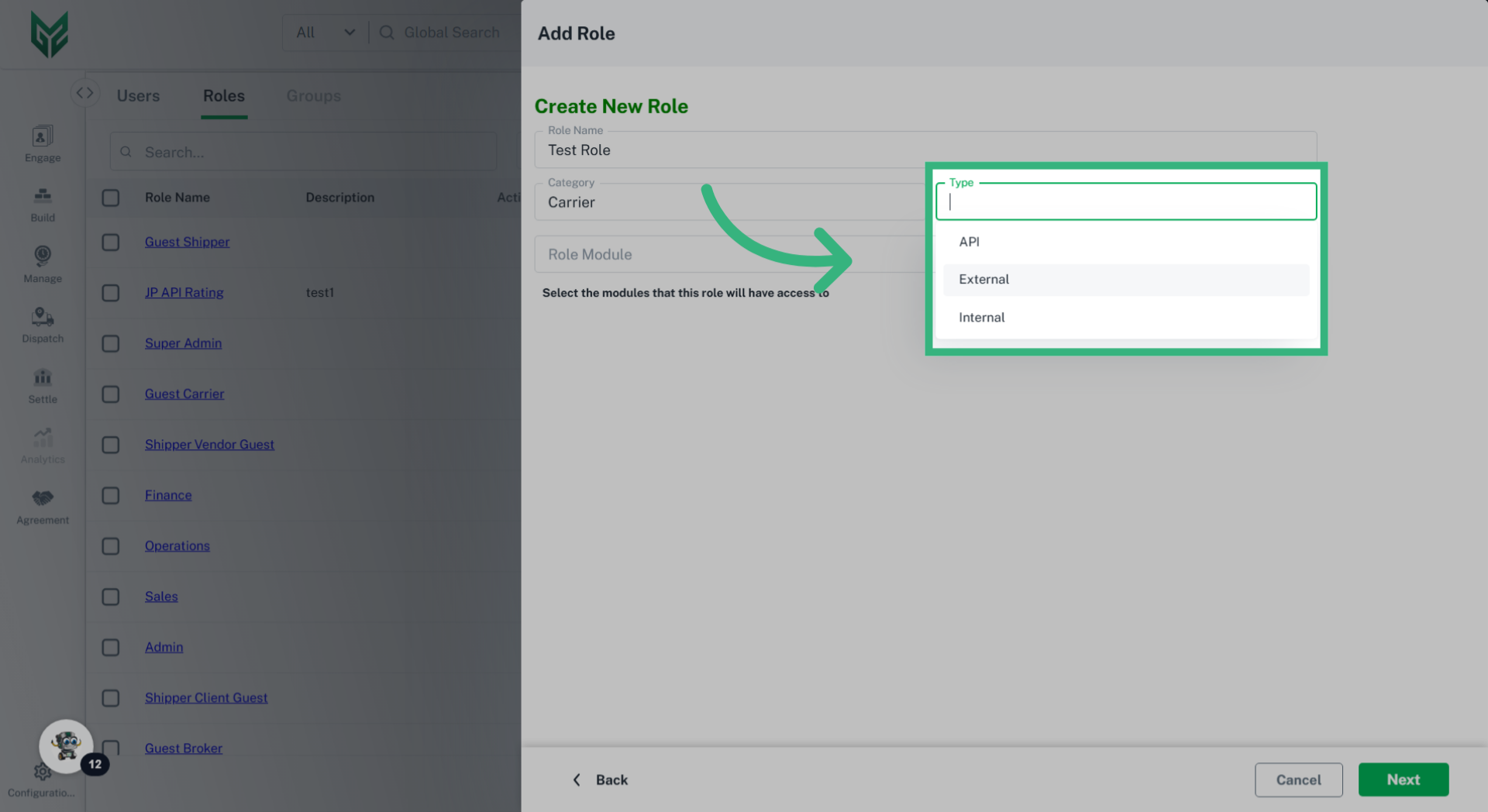
5. Click "Type"

Select the Type of use for this Role; via A.P.I., or an External User, or an Internal User.
Click 'Type'

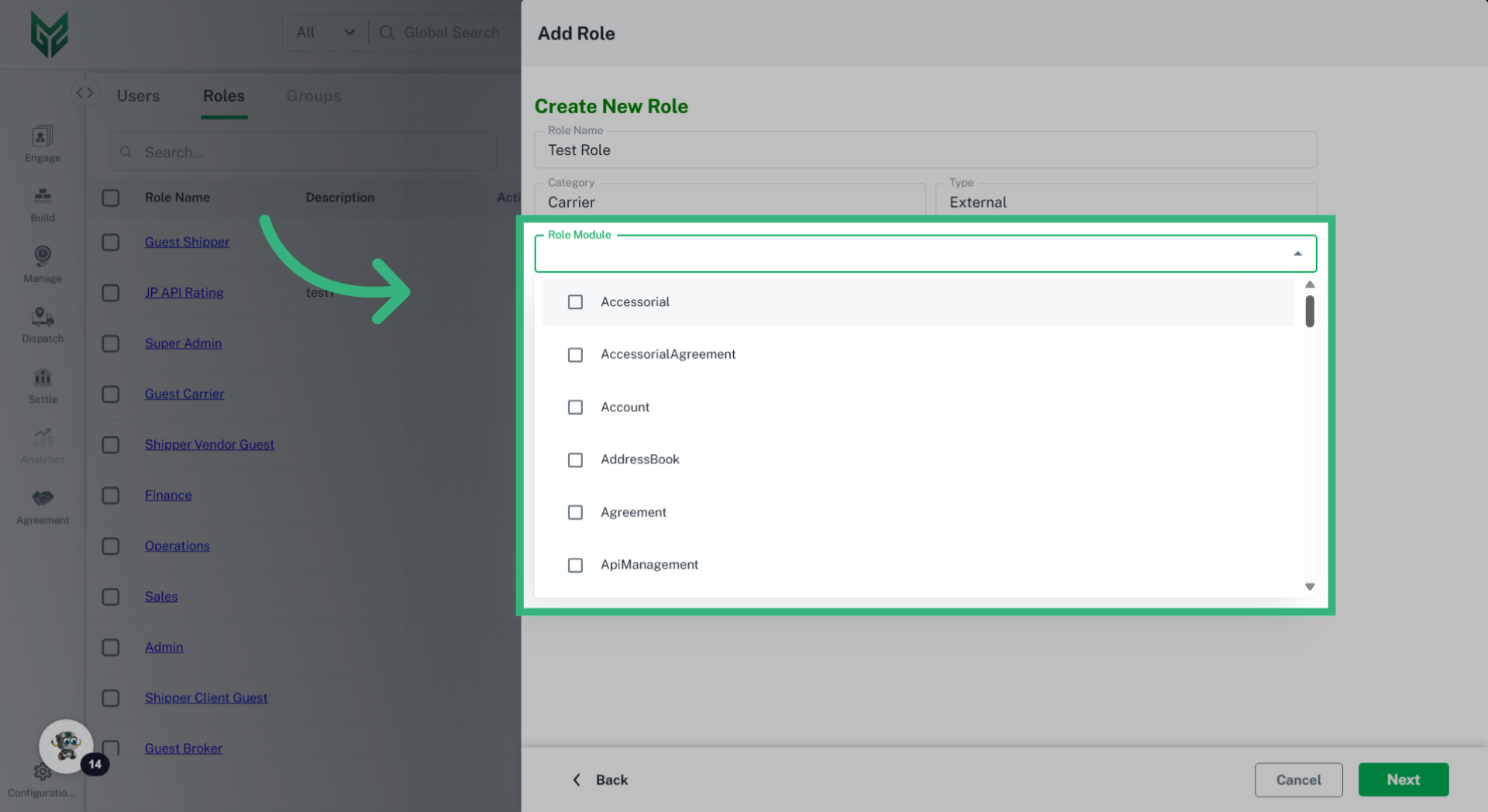
6. Click "Role Module"

Select the Modules associated to this Role from the dropdown. This new Role can include one module, or multiple.
Click 'Role Module'

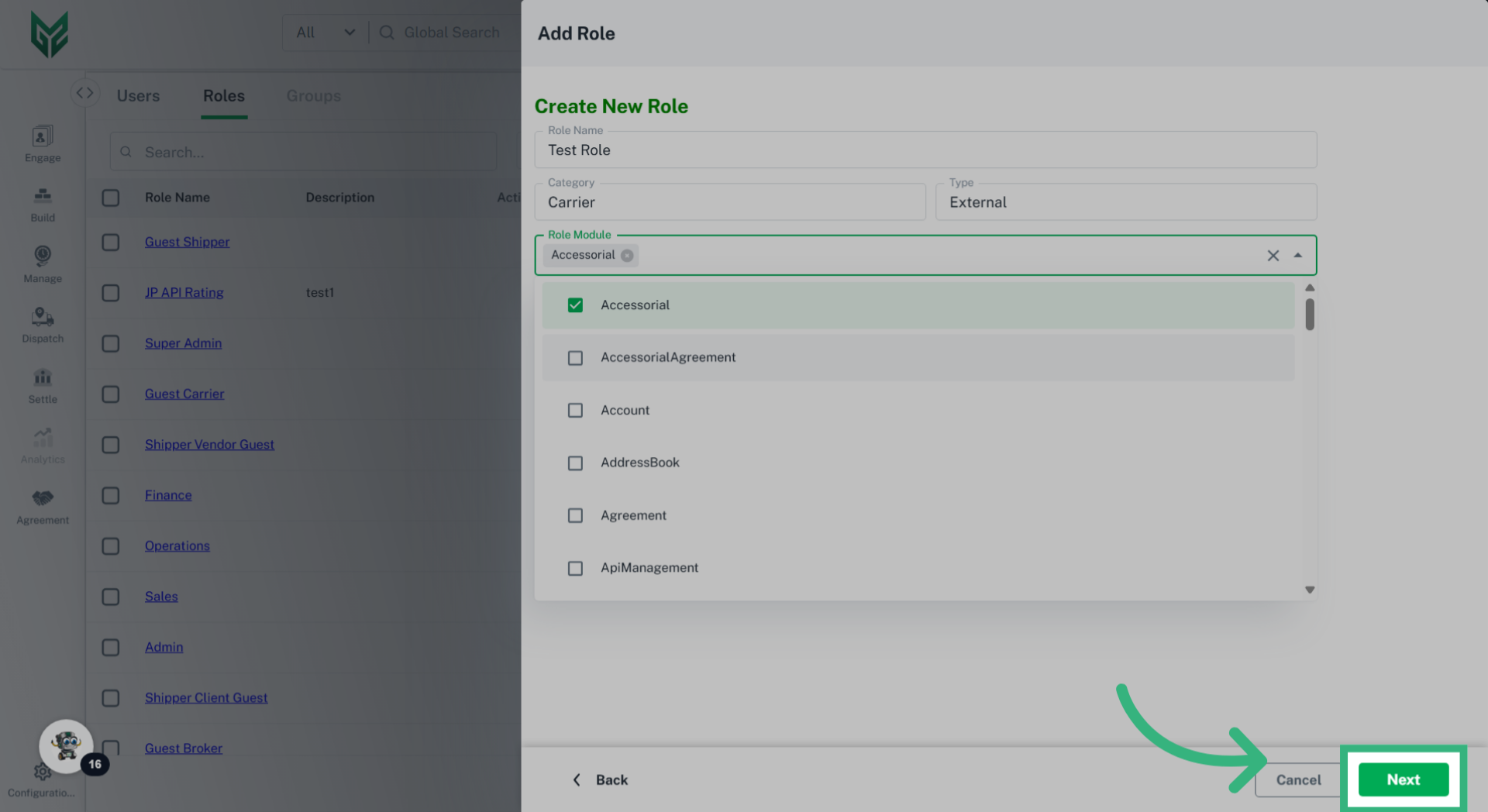
7. Click "Next"

Click "Next".
Click 'Next'

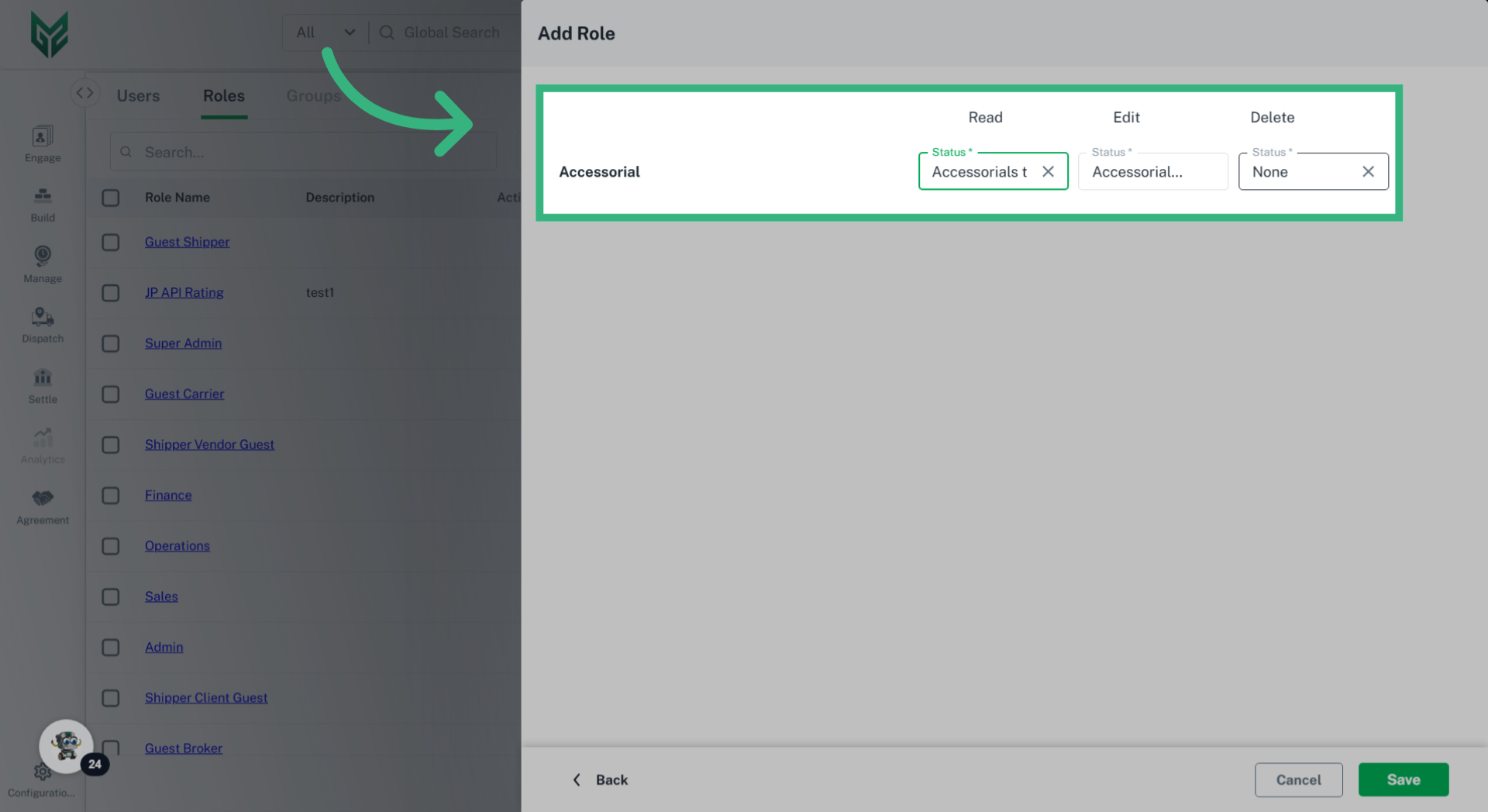
8. Determine permissions

Determine if this Role should have Read Only access, the ability to Edit, or the ability to Delete. If access will be granted, you can determine if the role can access the modules that "they own", or all modules within that category. In this example, we are granting this Role the ability to Read "All Accessorials," Edit the "Accessorials that they own," and have no ability to Delete an Accessorial.
Determine permissions

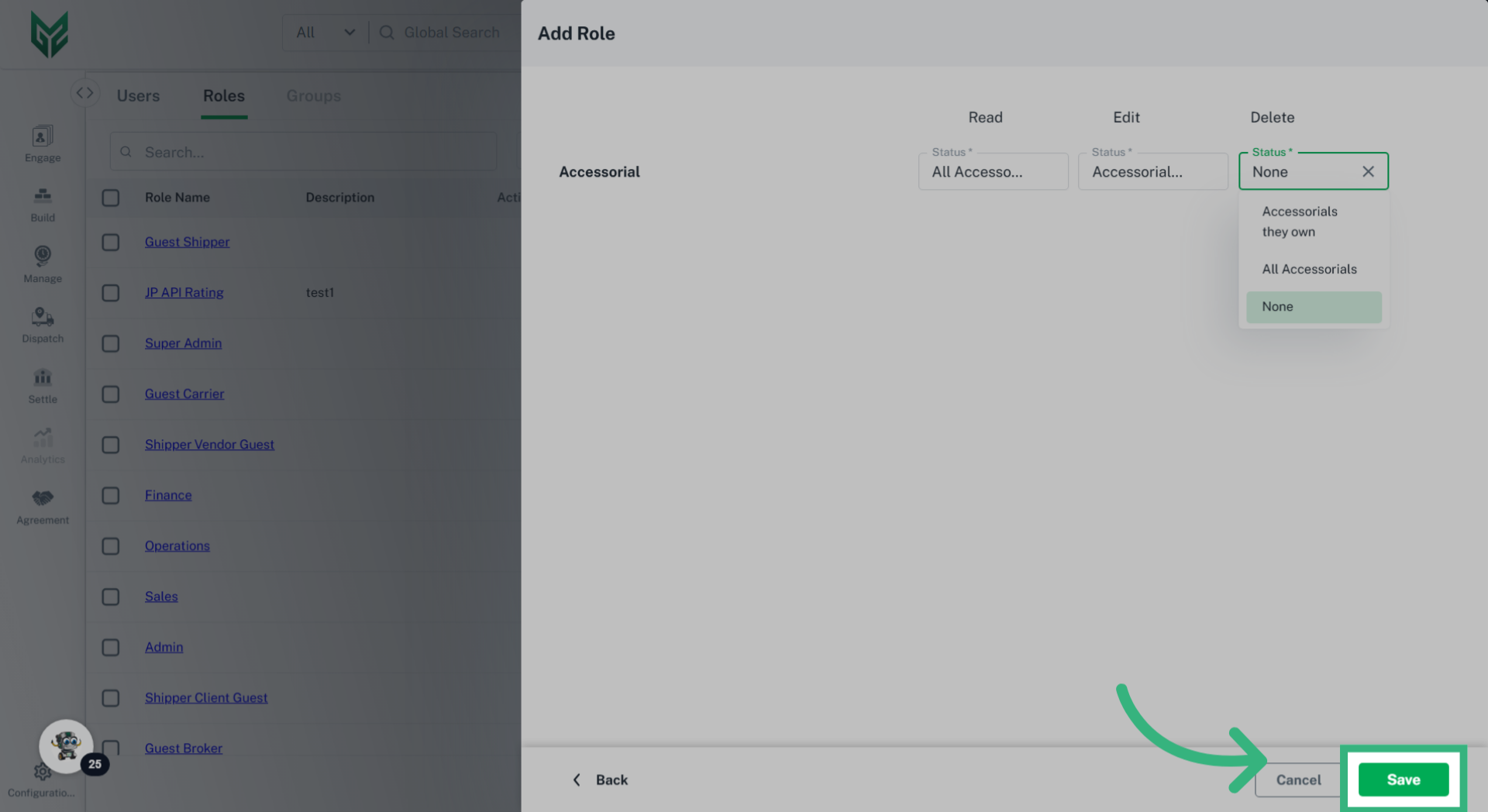
9. Click "Save"

Click "Save".
Click 'Save'
For further information, please contact us at support@g2mint.com.


Edit an Existing Role:
An Admin User of the licensed account has the ability to "Edit a Role" in our User Management section.

1. Click "User Name"

Select "User Name" in upper right corner.
Click 'User Name'

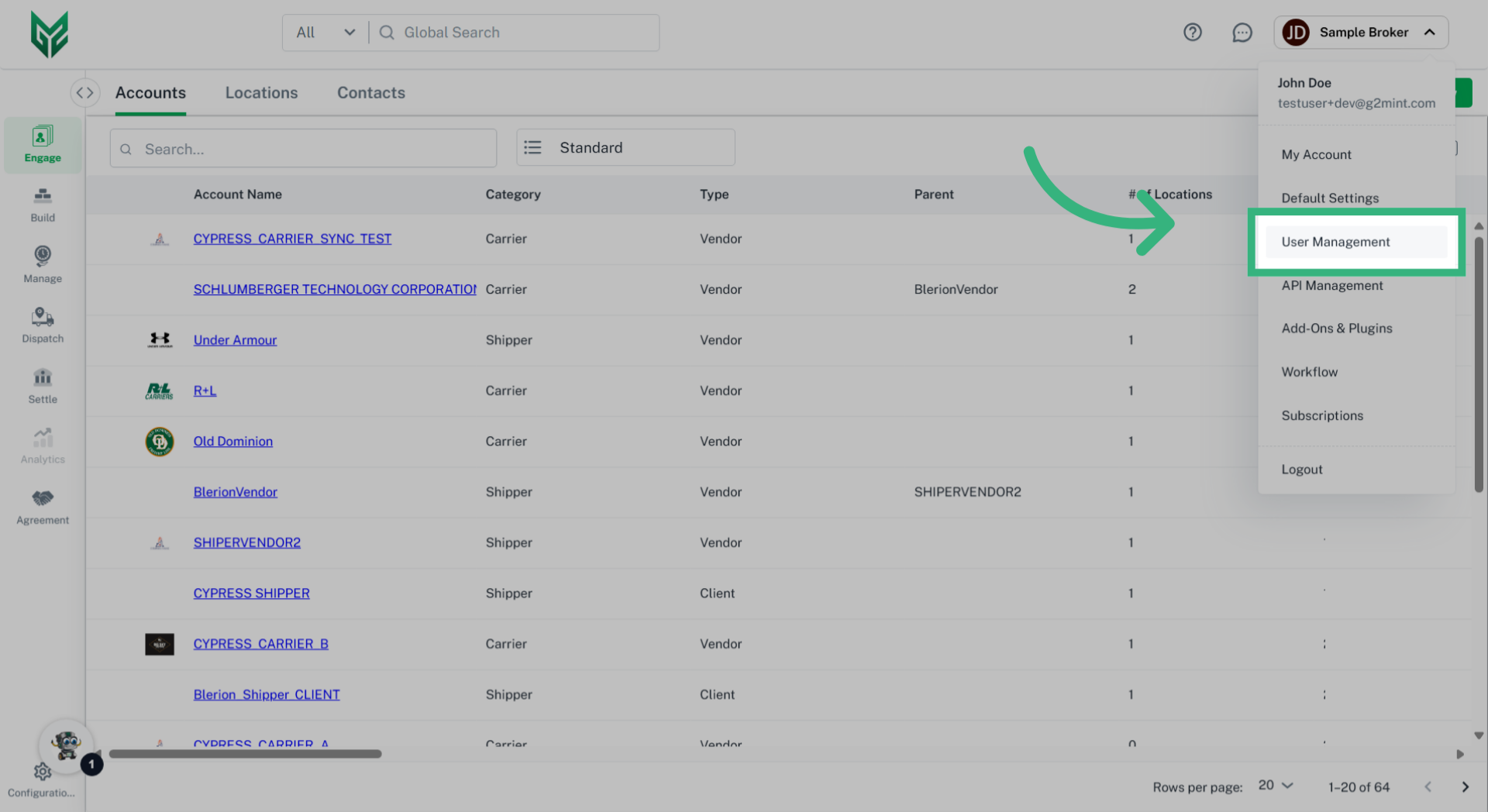
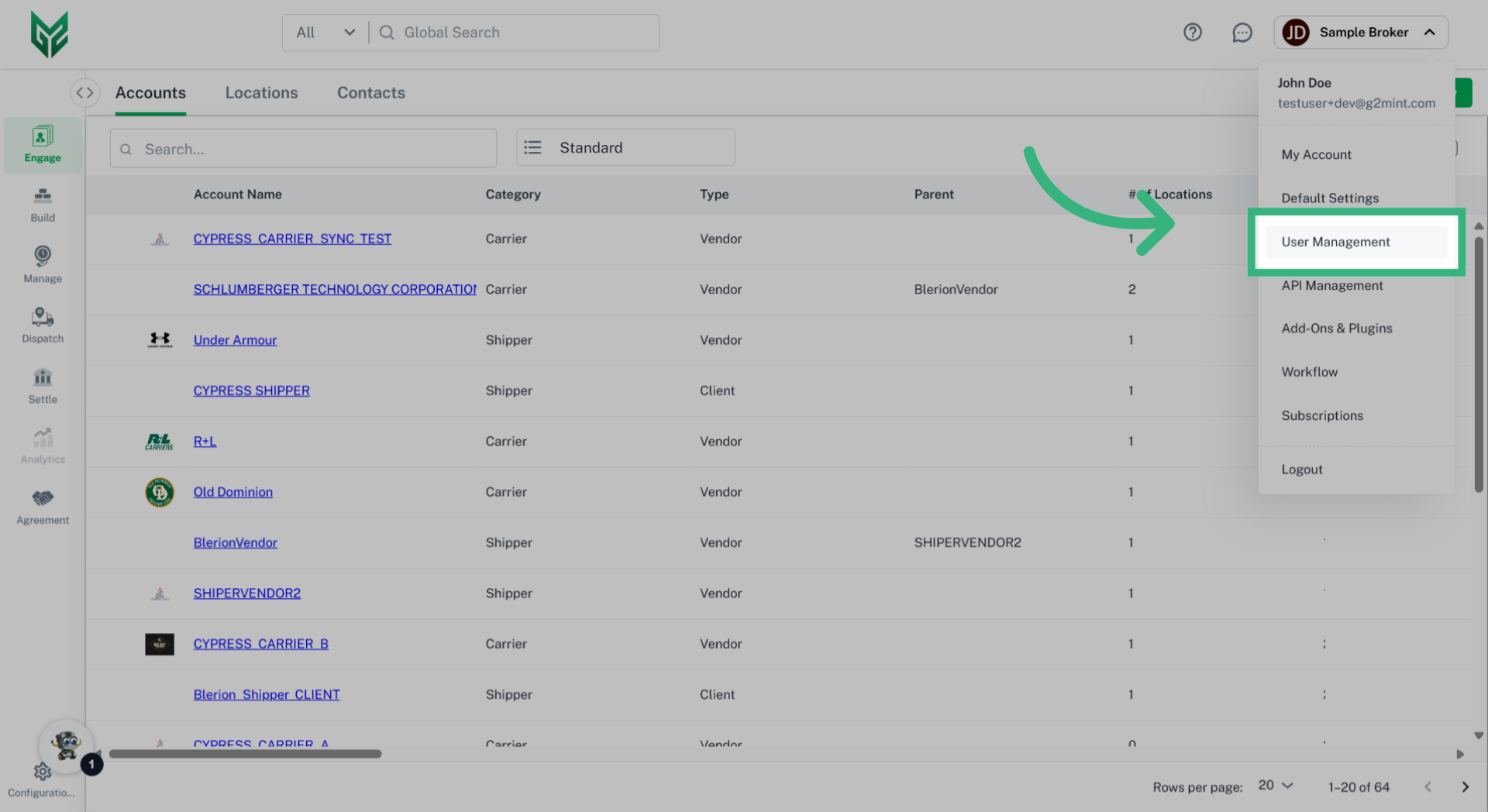
2. Click "User Management"

Navigate to "User Management" from the dropdown.
Click 'User Management'

3. Click "Roles"

Select Roles from the top navigation bar.
Click 'Roles'

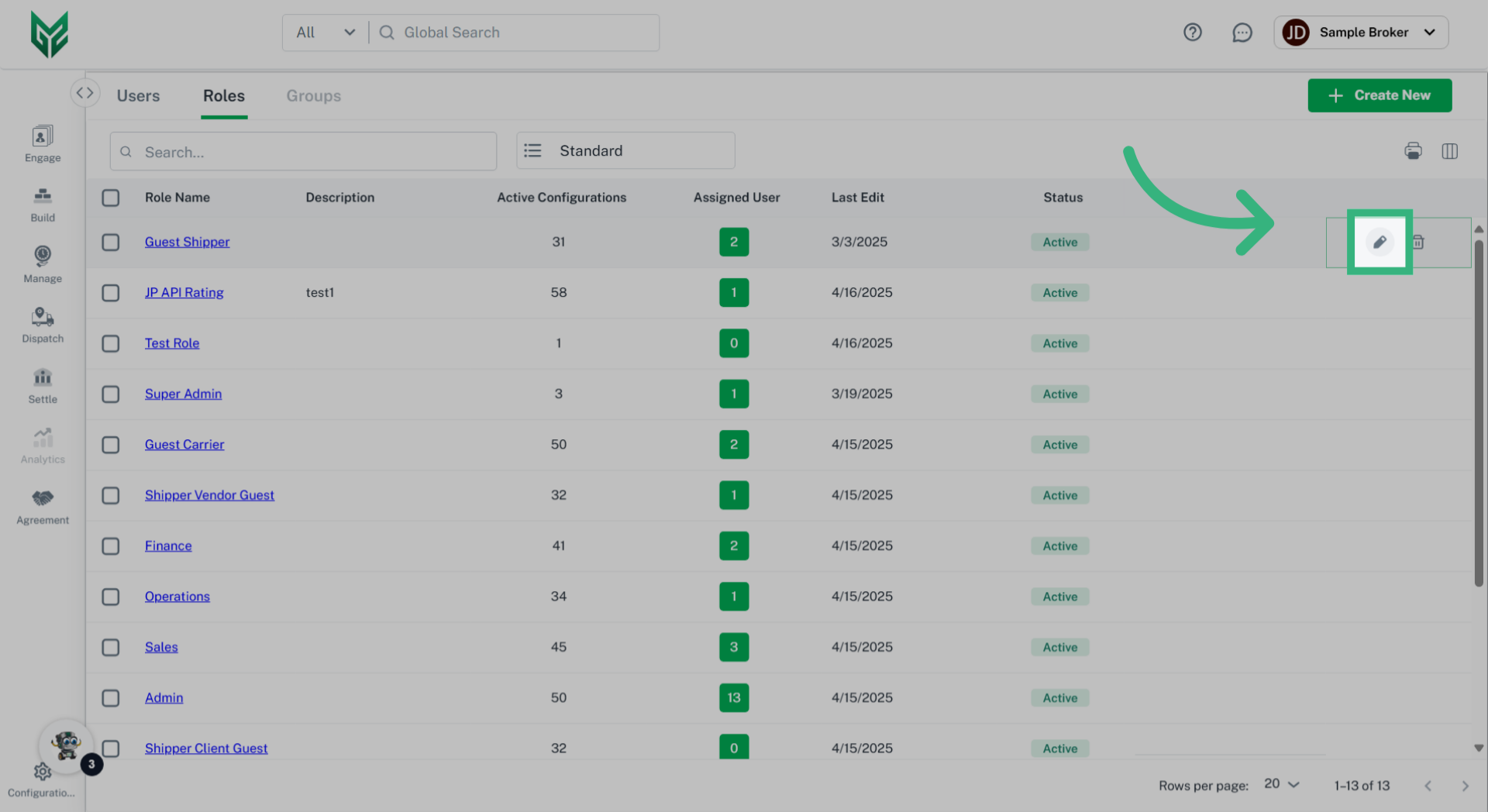
4. Click "Edit"

Select the "edit" icon.
Click 'Edit'

5. Click desired "Role"

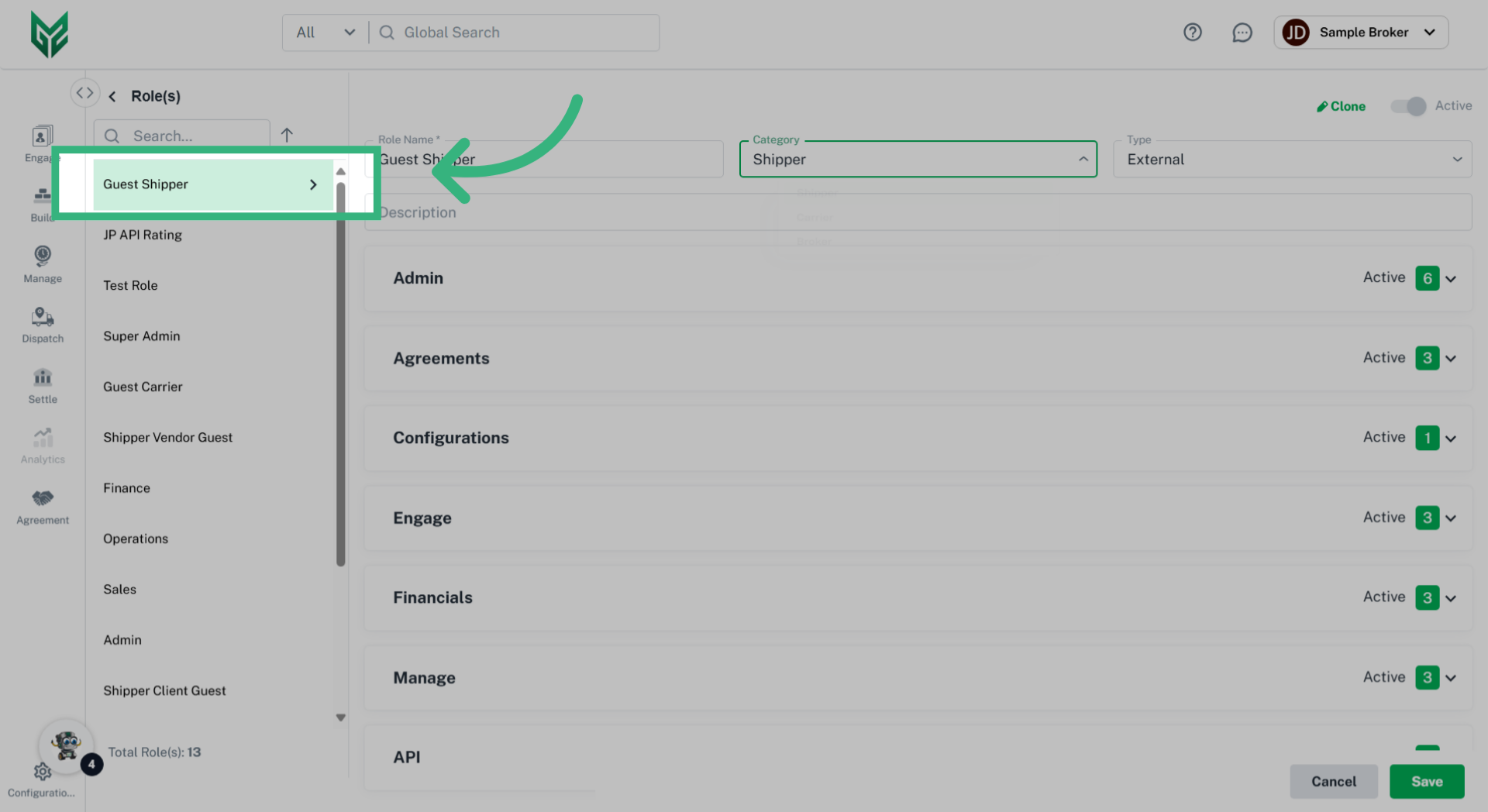
Select the desired Role to Edit. In this example, we will Edit the Role of Guest Shipper.
Click desired 'Role'

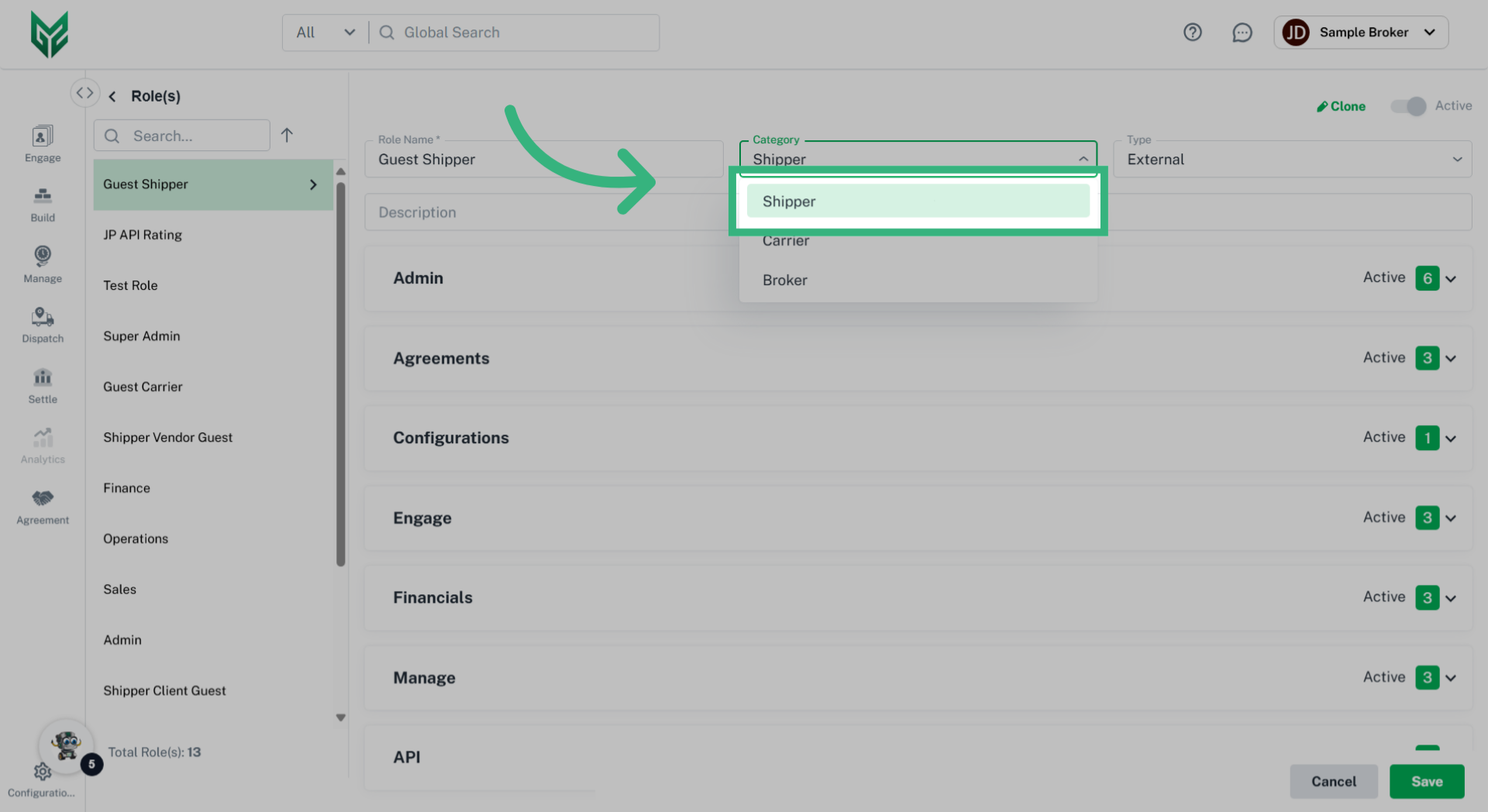
6. Confirm Role Details

Reconfirm the role details, including Role Name, Role Category/ Persona, and confirm whether the Role Type is for an Internal or External User. Add a Description that can referenced for further clarification of the Role.
Confirm Role Details

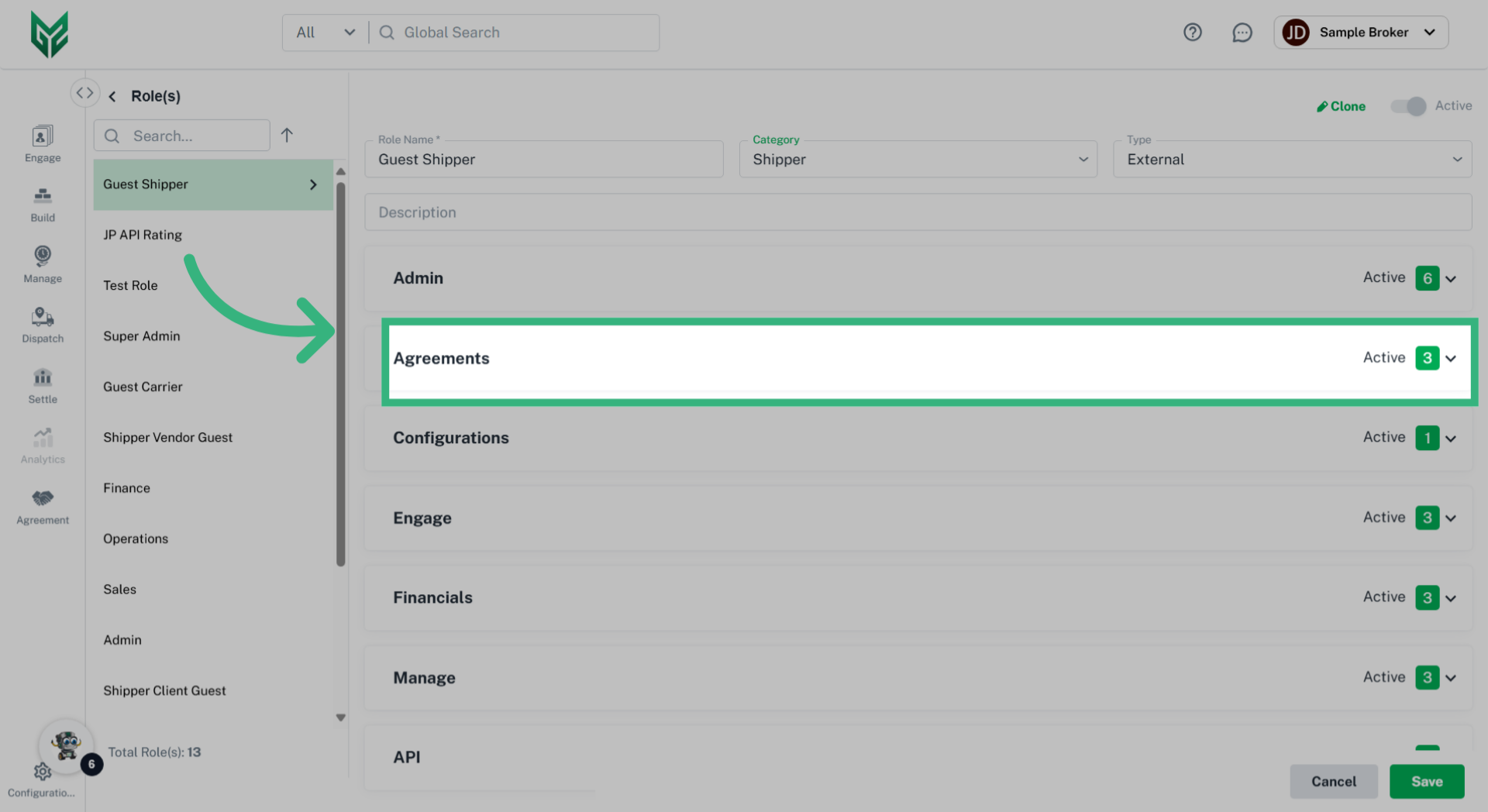
7. Select Module

Begin to adjust permissions, allowing you to refine user access to resources and tools.
Select Module

8. Select access category

Determine the accessibility of this Role to View, Edit and Delete the information within this Role.
Select access category

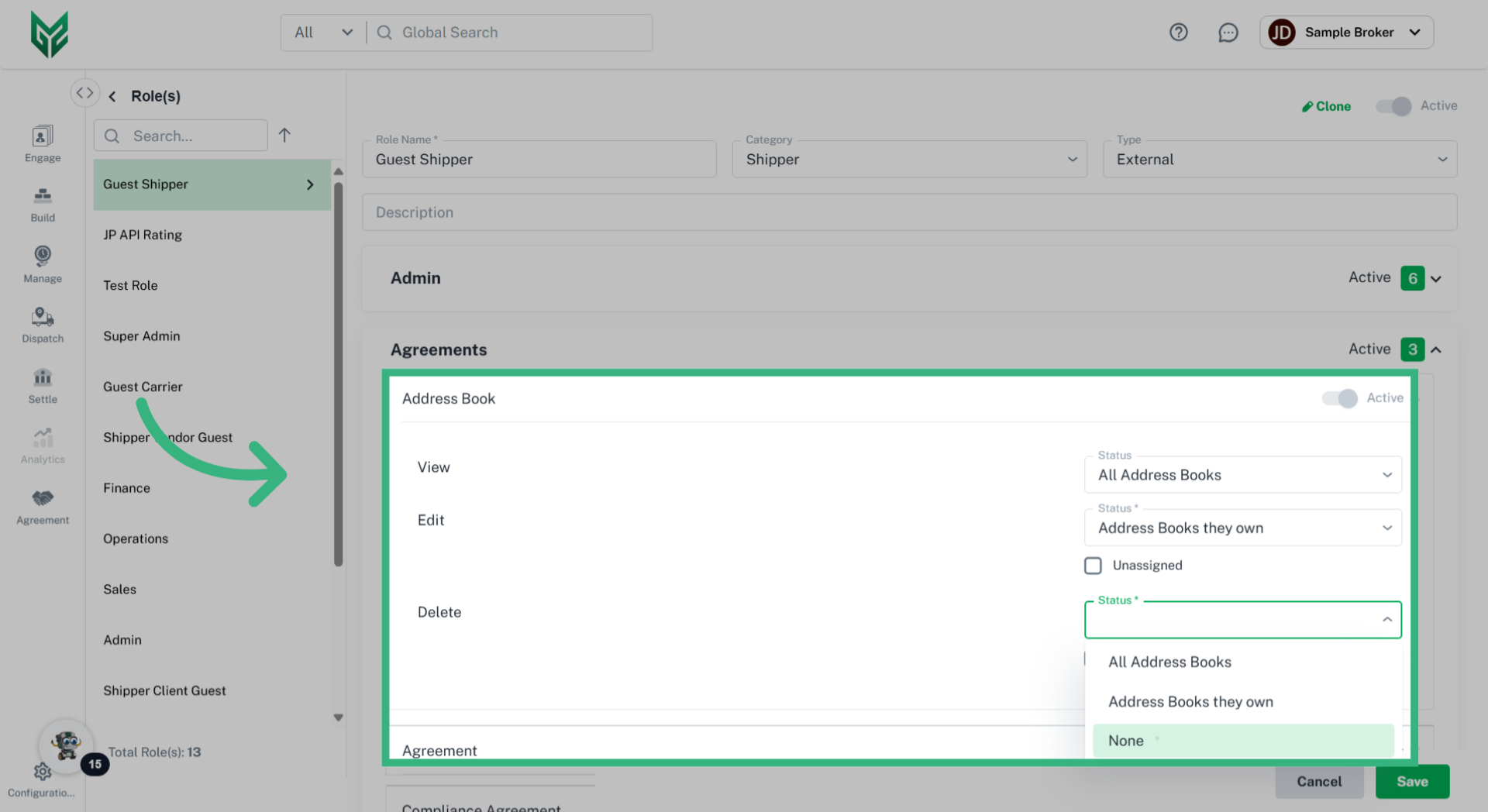
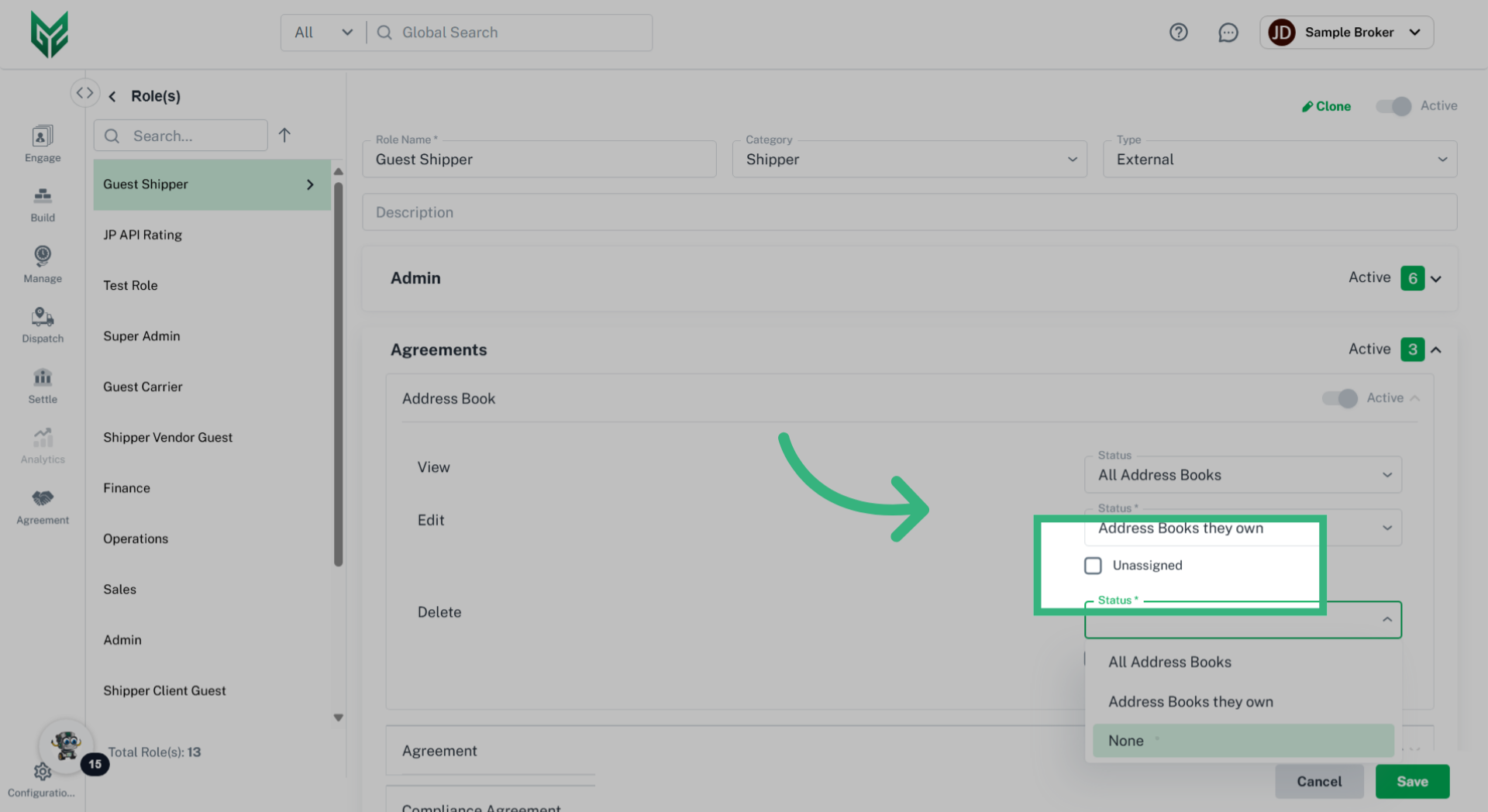
9. Determine Status

"Status" determines the degree of access. In this example, the Role can "view" all items in the Address Book. They can "Edit" Addresses that they own. They cannot "Delete" any addresses.
Determine Status

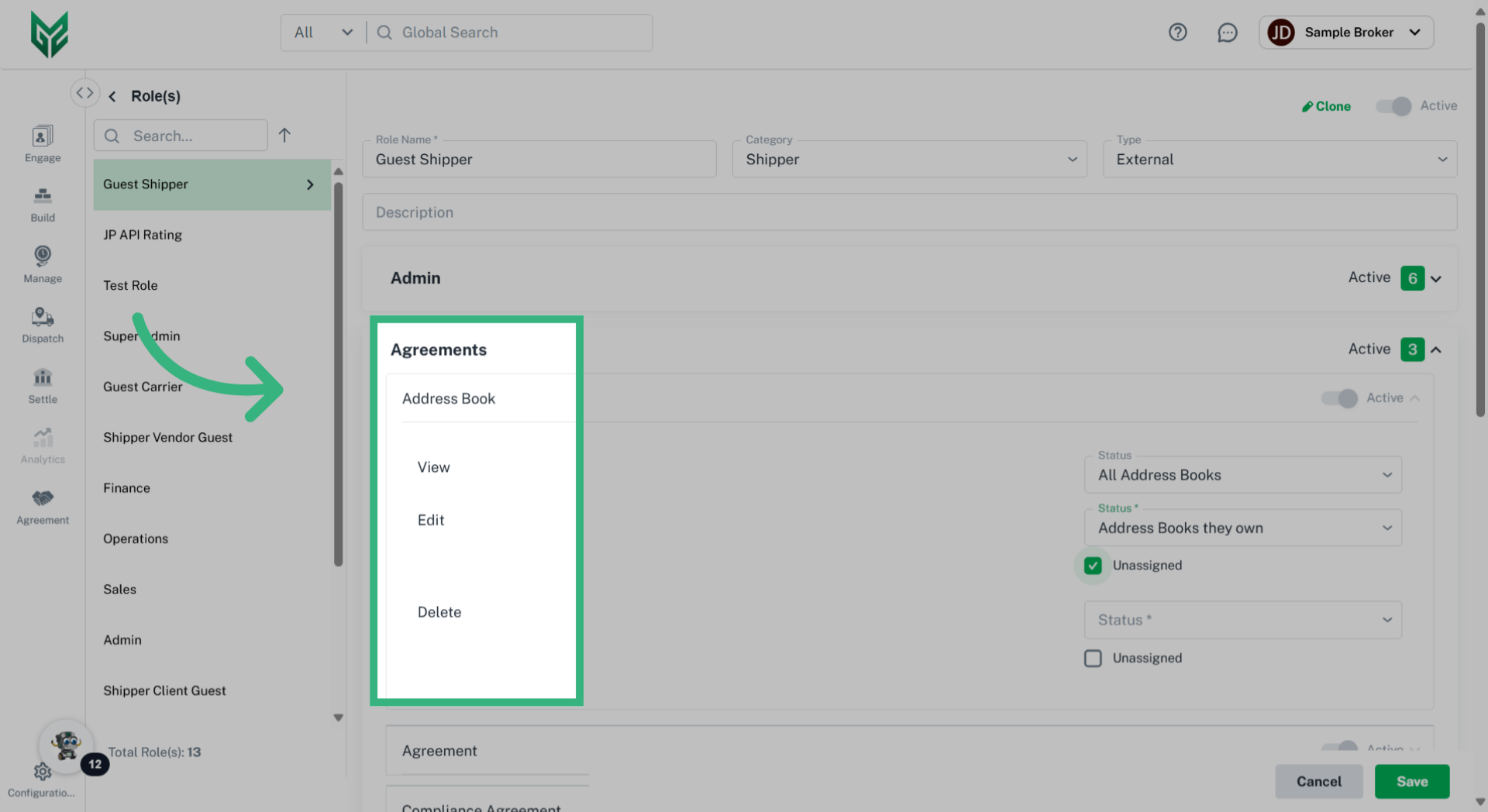
10. Unassigned

Some items do not have an assigned owner. Selecting the Unassigned checkbox provides access to the unassigned item.
Unassigned

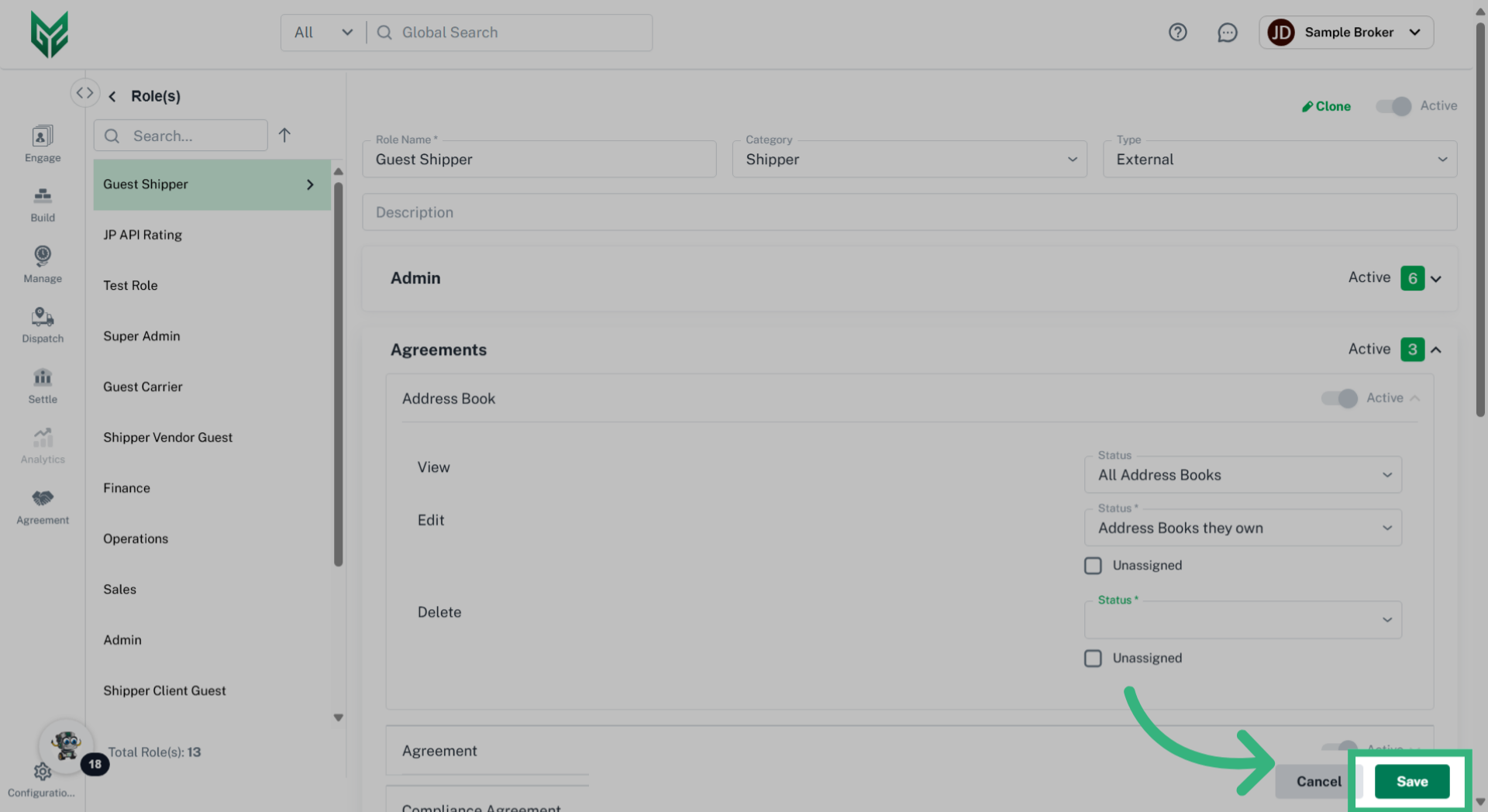
11. Click "Save"

Click "Save"
Click 'Save'
For further information, please reach us at support@g2mint.com.